📘 Definition of Clean Health
Clean health refers to maintaining proper hygiene, sanitation, and cleanliness in personal habits, environments, food, water, and healthcare systems to protect individuals and communities from infections and diseases. It includes practices such as handwashing, clean drinking water, waste management, environmental sanitation, and hygienic healthcare services.
Clean health is one of the most powerful and cost-effective ways to prevent illnesses, reduce the spread of infections, and promote overall well-being 🌍.
🌱 Introduction
In today’s fast-moving world, health challenges are increasing due to pollution, overcrowding, poor sanitation, and unhealthy lifestyles. Many infections and illnesses are not caused by complex medical conditions but by lack of cleanliness. According to global health studies, millions of diseases can be prevented each year simply by improving hygiene and sanitation practices.
Clean health plays a critical role in protecting people from bacteria, viruses, fungi, and parasites that cause diseases such as diarrhea, cholera, influenza, COVID-19, hepatitis, and skin infections.
🧴 1. Personal Hygiene and Disease Prevention
Personal hygiene is the foundation of clean health. Simple habits can save lives:
- 👐 Handwashing with soap removes germs that cause infections.
- 🚿 Regular bathing keeps skin free from harmful microorganisms.
- 🦷 Oral hygiene prevents dental infections and gum diseases.
- 👕 Clean clothing reduces skin and fungal infections.
Handwashing alone can reduce diarrheal diseases by up to 40%, making it one of the most effective preventive health measures.
💧 2. Clean Water and Sanitation
Access to clean drinking water is essential for healthy living. Contaminated water spreads deadly diseases like cholera, typhoid, and dysentery.
Key aspects include:
- 🚰 Safe drinking water
- 🚽 Proper toilets and sewage systems
- 🗑️ Safe waste disposal
Communities with clean water and sanitation experience fewer disease outbreaks and improved life expectancy.
🏥 3. Clean Health in Healthcare Settings
Hospitals and clinics must follow strict hygiene standards to prevent hospital-acquired infections (HAIs).
Important practices include:
- 🧼 Sterilization of medical equipment
- 🧤 Use of gloves and masks
- 🛏️ Clean hospital rooms
- 🧑⚕️ Proper hand hygiene by staff
Clean healthcare environments protect both patients and medical professionals.
🌍 4. Environmental Cleanliness and Public Health
A clean environment reduces the breeding of disease-carrying insects like mosquitoes and flies 🦟.
Environmental cleanliness involves:
- Clean streets and public spaces
- Proper waste management
- Pollution control
- Clean food markets
Communities with clean environments experience lower rates of malaria, dengue, and respiratory illnesses.
🧠 5. Clean Health and Immune System Support
Living in a clean environment helps the immune system function effectively. When the body is not constantly fighting infections, it can better resist diseases and recover faster.
Clean health:
- Reduces stress on the immune system
- Improves mental well-being 🧘
- Enhances productivity and quality of life
👶 6. Importance of Clean Health for Children
Children are more vulnerable to infections. Clean health practices protect them from:
- Diarrhea
- Respiratory infections
- Skin diseases
- Malnutrition
Schools with clean toilets, safe water, and hygiene education see better attendance and learning outcomes 📚.
💼 7. Clean Health in Workplaces
Clean offices and factories reduce sick days and improve performance.
Workplace cleanliness includes:
- Clean restrooms
- Sanitized desks and equipment
- Proper ventilation
- Waste management
Healthy workers mean a stronger economy 💼📈.
🌐 8. Clean Health During Pandemics
During pandemics like COVID-19, clean health practices become lifesaving tools:
- 😷 Mask usage
- 🧴 Hand sanitizers
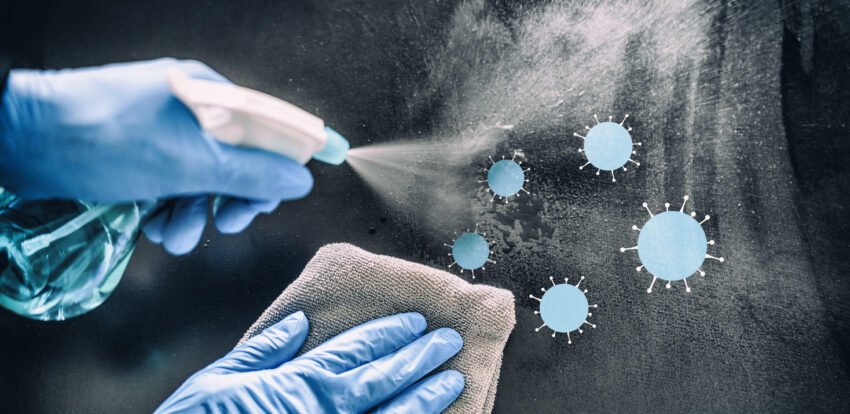
- 🧹 Surface cleaning
- 📏 Physical distancing
These measures slow the spread of viruses and save millions of lives.
🚀 Conclusion
Clean health is not just a personal responsibility—it is a global necessity. From simple handwashing to large-scale sanitation systems, cleanliness protects lives, prevents infections, and builds healthier societies. Investing in clean health means investing in a safer, stronger, and more prosperous future for everyone 🌍✨.
❓ 10 Frequently Asked Questions (FAQs)
1. What is clean health?
Clean health refers to hygiene and sanitation practices that prevent diseases and infections.
2. Why is clean health important?
It reduces illness, improves quality of life, and saves healthcare costs.
3. How does handwashing prevent disease?
It removes germs that spread through contact and food.
4. Can clean water prevent infections?
Yes, clean water prevents water-borne diseases like cholera and typhoid.
5. What role does sanitation play in health?
Proper sanitation stops the spread of harmful bacteria and parasites.
6. How does cleanliness help during pandemics?
It reduces virus transmission through hygiene and surface cleaning.
7. Is clean health important in hospitals?
Yes, it prevents hospital-acquired infections and protects patients.
8. How does environmental cleanliness affect health?
It reduces pollution and disease-carrying insects.
9. Can clean health improve mental well-being?
Yes, clean environments reduce stress and anxiety.
10. Who is responsible for clean health?
Everyone—individuals, communities, and governments share responsibility.