📘 Definition
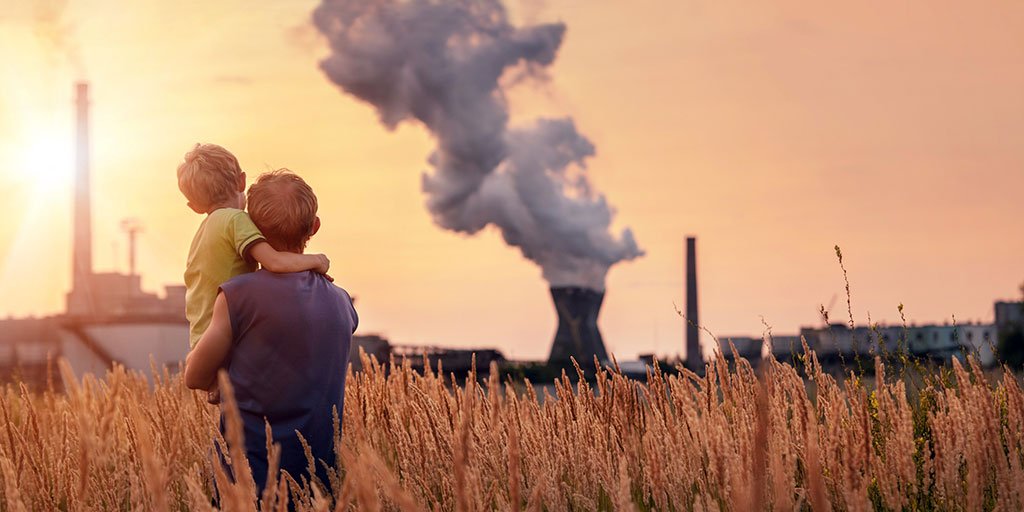
Clean health and environmental safety refer to the combined efforts of individuals, communities, industries, and governments to maintain hygienic living conditions and protect the natural environment in order to prevent diseases, reduce health risks, and ensure sustainable well-being for present and future generations. Clean health focuses on hygiene, sanitation, and disease prevention, while environmental safety emphasizes protecting air, water, soil, and ecosystems from pollution and harm. Together, they form a shared responsibility essential for a healthy society 🌱.
🌟 Introduction
Human health and the environment are deeply connected. The air we breathe, the water we drink, the food we eat, and the surroundings we live in all directly affect our physical and mental well-being. When the environment is polluted or unsafe, health problems increase. Similarly, poor hygiene and sanitation can damage the environment, creating a cycle of disease and degradation.
In today’s world, rapid urbanization, industrial growth, and climate change have increased environmental challenges. Issues such as air pollution, water contamination, waste accumulation, and deforestation threaten both clean health and environmental safety. Addressing these challenges requires shared responsibility—everyone has a role to play 🧑🤝🧑.
🧼 1. Clean Health: The First Line of Defense
Clean health begins with basic hygiene and sanitation practices that prevent infections and illnesses.
Key components include:
- 👐 Handwashing with soap
- 🚿 Personal hygiene
- 🚽 Proper sanitation systems
- 🧴 Clean food handling
These practices reduce the spread of bacteria, viruses, and parasites. Clean health not only protects individuals but also prevents outbreaks that can affect entire communities.
🌱 2. Environmental Safety and Its Impact on Health
Environmental safety ensures that natural resources remain clean and safe for human use.
Major environmental factors affecting health:
- 💨 Air pollution causing asthma, lung disease, and heart problems
- 💧 Water pollution leading to diarrhea and waterborne diseases
- 🗑️ Improper waste disposal spreading infections
- 🌡️ Climate change increasing heat-related illnesses
Protecting the environment directly protects human health.
💧 3. Clean Water: A Shared Responsibility
Clean water is essential for both health and environmental safety. Contaminated water harms ecosystems and spreads diseases such as cholera and hepatitis.
Shared responsibilities include:
- 🚰 Governments providing safe water systems
- 🏠 Households avoiding water wastage
- 🏭 Industries treating wastewater
- 🌍 Communities protecting water sources
When everyone plays their role, clean water can be preserved for future generations 💙.
🏠 4. Waste Management and Public Health
Improper waste disposal is a major threat to environmental safety and clean health.
Effective waste management includes:
- 🚮 Proper garbage collection
- ♻️ Recycling and reuse
- ☣️ Safe disposal of medical and hazardous waste
Clean surroundings reduce pests, bad odors, and disease-causing organisms.
🌳 5. Green Environments and Healthy Living
Green spaces such as parks, forests, and gardens improve environmental safety and mental health.
Benefits include:
- 🌿 Cleaner air
- 😊 Reduced stress
- 🏃 Encouragement of physical activity
- 🌍 Climate balance
Protecting green spaces is a shared duty that benefits everyone.
🏥 6. Clean Health and Environmental Safety in Healthcare
Hospitals must maintain hygiene while also protecting the environment.
Important measures:
- 🧼 Infection control
- ♻️ Medical waste management
- 💡 Energy-efficient practices
- 🌱 Eco-friendly healthcare systems
Sustainable healthcare protects patients and the planet.
🏫 7. Role of Education and Awareness
Education helps people understand the link between health and the environment.
Awareness programs promote:
- 🧠 Healthy hygiene habits
- 🌍 Environmental protection
- 👶 Clean health practices in schools
- 📢 Community participation
Informed citizens make healthier and safer choices.
🏭 8. Role of Industries and Governments
Industries and governments have a major responsibility in protecting environmental safety.
Their role includes:
- ⚖️ Environmental laws and regulations
- 🏭 Pollution control technologies
- 🌱 Sustainable development policies
- 🚯 Waste reduction programs
Strong policies ensure long-term health and safety.
🧑🤝🧑 9. Community and Individual Responsibility
Clean health and environmental safety cannot be achieved by governments alone.
Individuals can help by:
- 🧼 Practicing good hygiene
- 🚯 Avoiding littering
- 🚲 Reducing pollution
- 🌱 Saving water and energy
Small actions by many people create big positive change 🌟.
🚀 Conclusion
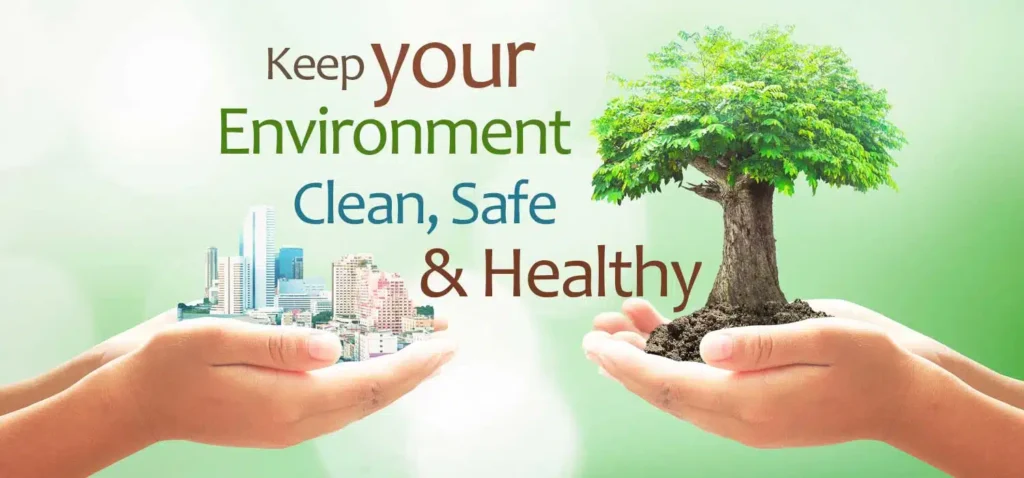
Clean health and environmental safety are deeply interconnected and rely on shared responsibility. A clean environment supports healthy lives, while healthy communities protect the environment. By working together—individuals, communities, industries, and governments—we can prevent diseases, protect natural resources, and build a safer, healthier world for future generations 🌍✨.
❓ 10 Frequently Asked Questions (FAQs)
1. What is clean health?
Clean health focuses on hygiene and sanitation to prevent disease.
2. What is environmental safety?
Environmental safety protects air, water, land, and ecosystems from harm.
3. How are clean health and environmental safety connected?
A polluted environment leads to health problems, while cleanliness supports health.
4. Who is responsible for environmental safety?
Everyone—individuals, communities, industries, and governments.
5. How does waste affect health?
Poor waste management spreads disease and pollutes the environment.
6. Why is clean water important?
It prevents waterborne diseases and supports ecosystems.
7. Can individuals really make a difference?
Yes, small daily actions create large collective impact.
8. How do green spaces improve health?
They reduce pollution, stress, and encourage physical activity.
9. What role do governments play?
They create laws, provide services, and protect public health.
10. Why is shared responsibility important?
Because long-term health and safety require collective action.